
Protecting our marine spaces
The Green Britain Foundation is passionate about protecting marine environments from the devastating effects of plastic pollution and discarded fishing gear, through to restoring UK waters through the restoration of seagrass beds and the creation of shellfish reefs.
We’re proud to be helping create a clean and healthy ecosystem by improving our coastlines and estuaries with an exciting oyster ‘nursery’ we are funding. Oysters are known for their carbon sequestration and oxygen production capabilities and for habitat creation. We will keep you updated here.



Fish Net Zero
Oceans are haunted by a problem that’s deadly for marine wildlife. Ghostnets – either lost or cut lose by fishing vessels – are a form of plastic pollution which have a devastating impact on the ocean. So much so, that at the 2025 UN Ocean Conference, discarded fishing gear was declared the most dangerous form of plastic pollution in the sea.
Drifting wherever the current takes them, abandoned nets, lines and pots, entangle aquatic mammals, birds, fish, invertebrates, sea turtles and more. They damage habitats, disrupt ecosystems and reduce biodiversity. When they do finally break down, bits of plastic ingested by sea life put harmful chemicals into the food chain.
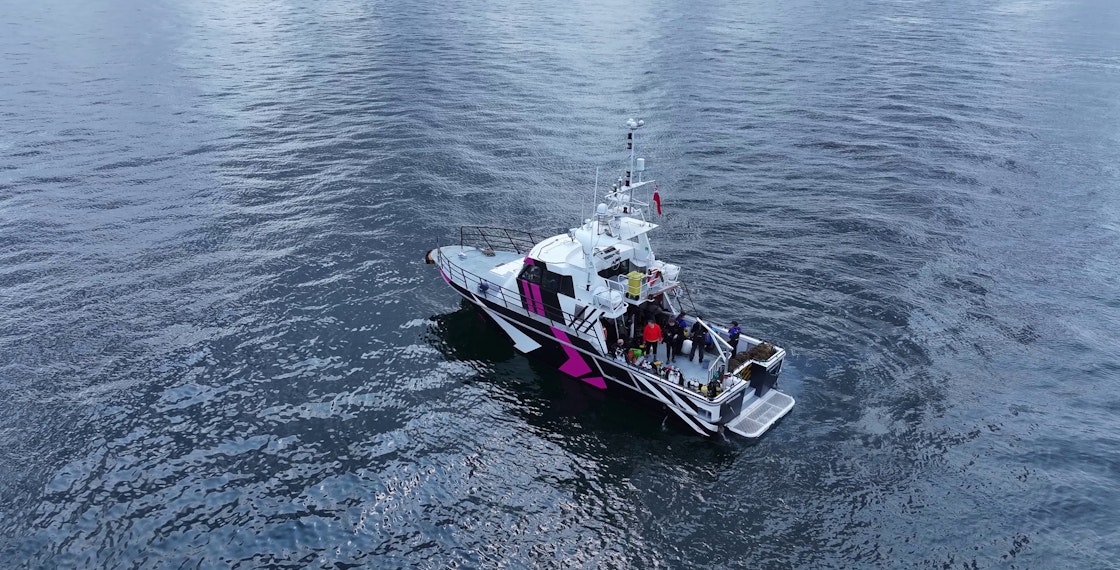
The Green Britain Foundation is tackling the problem with Fish Net Zero, an initiative to remove abandoned, lost or discarded fishing gear (ALDFG) from UK waters, including nets, pots, ropes and lines. Sailing from the historic fishing port of Grimsby with our flagship vessel, Nemesis, and from Inverkip on the West Coast of Scotland with Banshee, the volunteer divers and crew of Fish Net Zero plan each dive with precise detail to extract maximum ALDFG from the ocean, safely and efficiently.
The next challenge is what to do with all this waste. Damaged old plastic is hard to repurpose. From 2025 we will be focusing ways to transform ghost nets into things people can use – bags, keyrings, building supplies and even sustainable fashion.
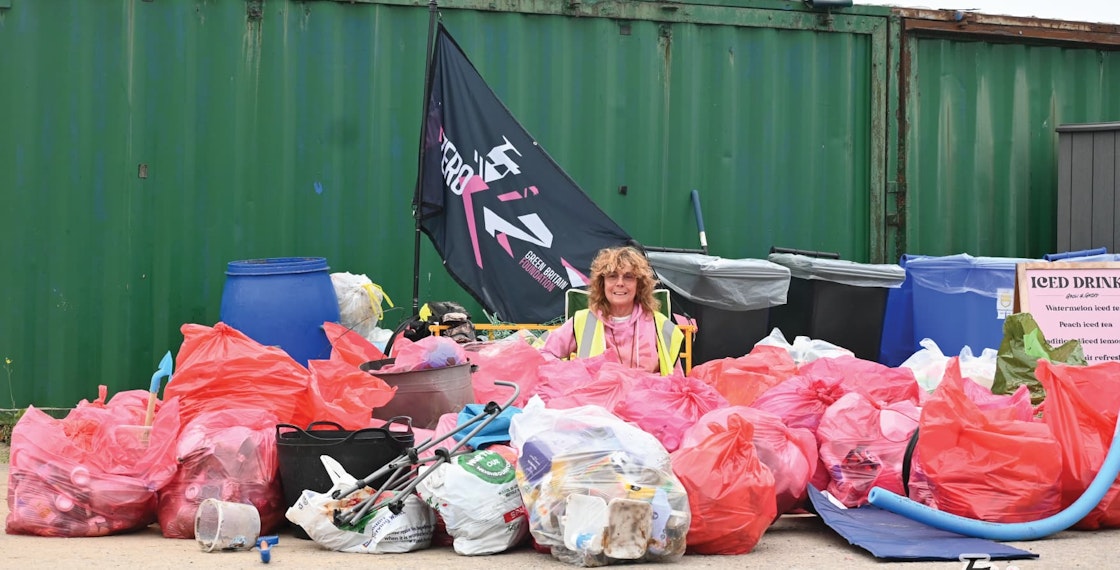
Recovering ghost gear is only one part of the Fish Net Zero project, however. We have established a team of dedicated Beach Clean Leaders who will work with volunteers, partners, schools and members of the local community to organise beach cleans all around the UK.
Beach cleans not only save wildlife, but they present the perfect opportunity to educate. Children and adults who take part can see the journey their waste takes if not discarded responsibly and the impact it has on the marine environment and the wildlife that inhabits it.
Oyster Restoration
The Foundation is helping fund a groundbreaking project to cultivate and restore native UK oysters - a keystone species in the marine ecosystem. Historically, efforts to restore native oysters relied heavily on moving oysters from hatcheries or other natural stocks to depleted areas. However, recent research suggests this approach may inadvertently undermine restoration success. Oysters are deeply interdependent with their local microbiome - the community of microorganisms unique to each marine environment.
The Green Britain Foundation is supporting Northbay Innovation in a pioneering solution: the micro-oyster hatchery. The first of its kind will be installed in Orkney, a region renowned for its pristine marine conditions and biodiversity. This localised hatchery model (‘nursery’) is designed to cultivate oysters that are specifically adapted to their native environment, ensuring a closer alignment between their genetic traits and the local biome.
The restoration of native UK oysters has the potential to revitalise marine ecosystems and bolster biodiversity through habitat creation, water filtration, de-nitrification and carbon sequestration.
Seagrass Restoration
Future projects will also look at researching and restoring seagrass beds. Seagrass, a flowering marine plant forming dense underwater meadows in shallow coastal areas, is fundamental to ocean health—sequestering more carbon per area than forests, stabilising the seabed against erosion, and nurturing biodiversity by serving as nurseries and habitat for fish, seahorses, crustaceans, cuttlefish, and sharks.
Despite covering just 0.1% of the seafloor, it absorbs around 10% of annual oceanic sediment carbon, making it one of the most efficient natural climate solutions. However, human pressures, such as disease, pollution, boat mooring and anchoring, coastal development, and sewage overflows, have decimated roughly 92% of UK seagrass in the past century and caused global losses of at least 35% over the last 40 years. Our volunteer divers will help to locate seagrass beds and restore them to their former glory.
Measuring our impact
We’ll be measuring our Fish Net Zero impact in tonnes! We’ll document the hauls from each dive, recording how much discarded fishing gear is brought back to shore as well as the weight of all the rubbish removed from our beach cleans.
When it comes to oyster and seagrass bed restoration, we’ll be conducting baseline surveys to record the volume of species present because being able to understand, evidence and monitor our impact is key to our reporting so we’ll be carrying these out on a one-to-five-year cycle just like we do with our land.
Donate to the GBF's Marine conservation Programme