A pioneering restoration project in Orkney is set to reintroduce up to 15 million native oysters, helping to revive marine ecosystems and support climate resilience across Green Britain.
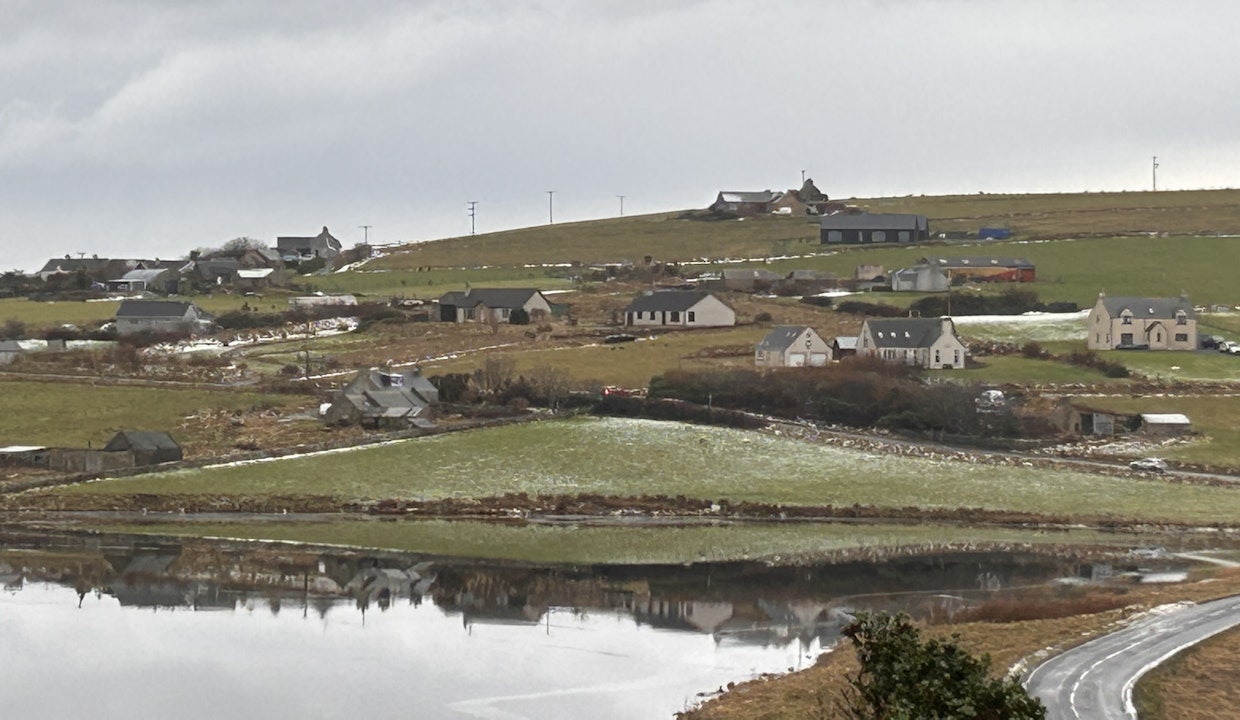
Taking place in the Bay of Firth, the initiative brings together the Green Britain Foundation, the Nature Restoration Fund and Marine Fund Scotland to support NorthBay Innovations Ltd in restoring oyster beds across former strongholds.
Restoring a lost ecosystem
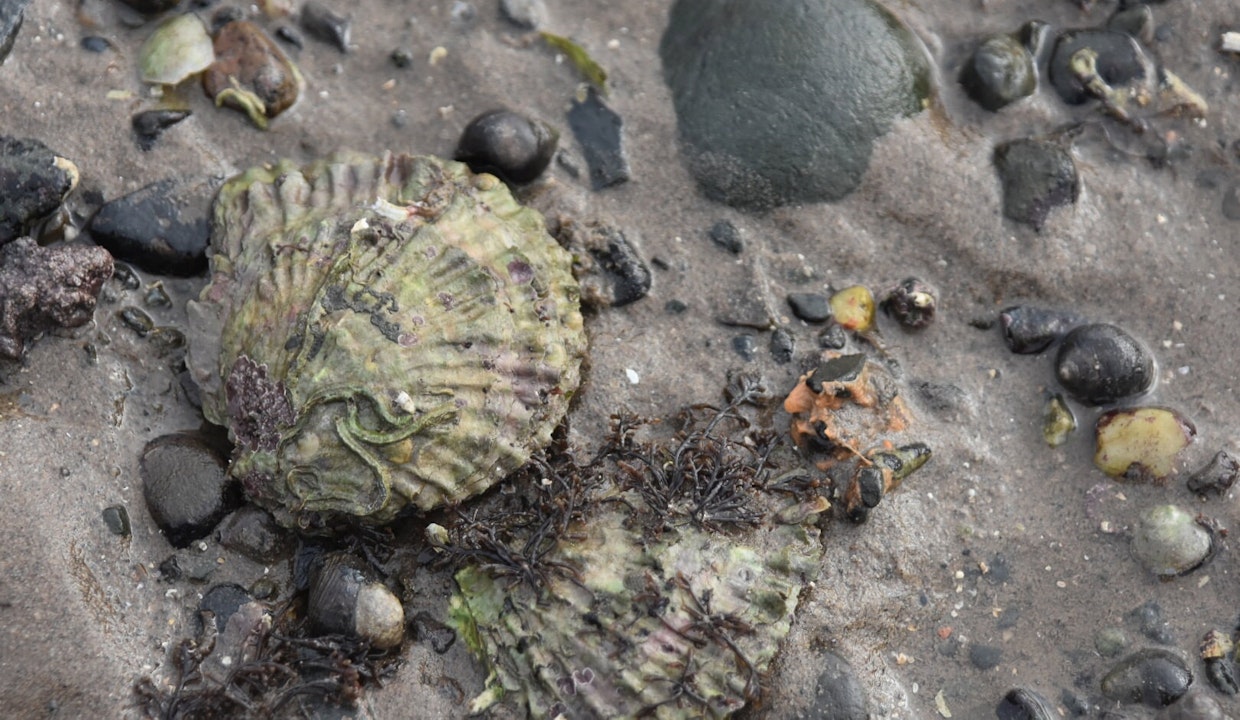
Native oysters once played a vital role in coastal ecosystems, but their collapse in the late 1800s led to widespread environmental decline. The loss of oyster reefs disrupted interconnected species and habitats, with lasting impacts on fisheries and marine biodiversity.
By restoring these reefs, the project aims to rebuild a natural system that supports a wide range of marine life. Oysters provide essential habitat, particularly for species such as the European lobster, while also improving water quality and ecological balance.
Nature-led solutions for climate resilience
Oysters are powerful natural allies in addressing environmental challenges. They filter water, create habitats and capture carbon, all with minimal human intervention.
Research suggests that each oyster can sequester around 5.5g of CO₂ per year. With 15 million oysters planned across 100 hectares, this project could capture up to 75.75 tonnes of CO₂ annually. As oyster beds establish and expand naturally, their long-term impact could grow significantly, supporting wider coastal restoration.
We recognise that there is a genuine difference of scientific opinion around the role oysters play in carbon removal. Estimates vary, and part of that comes down to how systems are studied, including the important distinction between aquaculture and restoration, where impacts can be very different. Our focus is on restoring native oyster beds and understanding their full environmental benefits, including their role in carbon cycling, as the science develops. As one Professor put it, “Generally biologists are much more optimistic regarding the potential for carbon removal, whilst those with physico-chemical expertise are much more cautious.”
Founder of the Green Britain Foundation, Dale Vince OBE, said:
"Oysters are nature’s water filters, habitat creators, and carbon sinks. By reintroducing them, we’re breathing life back into marine ecosystems—creating vital habitats for other marine life and reducing carbon in the atmosphere. It’s a perfect combination.”
A model for wider impact
Beyond ecological restoration, the project is designed to demonstrate how nature-based solutions can be scaled across UK coastlines. By combining innovation with local expertise, it offers a practical model for restoring marine environments while supporting sustainable communities.
Healthy oyster reefs can filter up to 200 litres of water per oyster each day, improving clarity and quality. At scale, this contributes to stronger ecosystems and supports both wildlife and coastal livelihoods.
Supporting communities and nature
The initiative reflects a collaborative approach to environmental action, aligning with national ambitions to reach net zero while strengthening local economies and community engagement.
By restoring native oysters, the project not only rebuilds marine ecosystems but also empowers people and communities to play a role in sustainable living.
Through projects like this, the Green Britain Foundation continues to demonstrate how working with nature can deliver lasting benefits for both the environment and society.