Guy Ritchie’s Ashcombe Estate investigated over alleged bird flu rule breaches
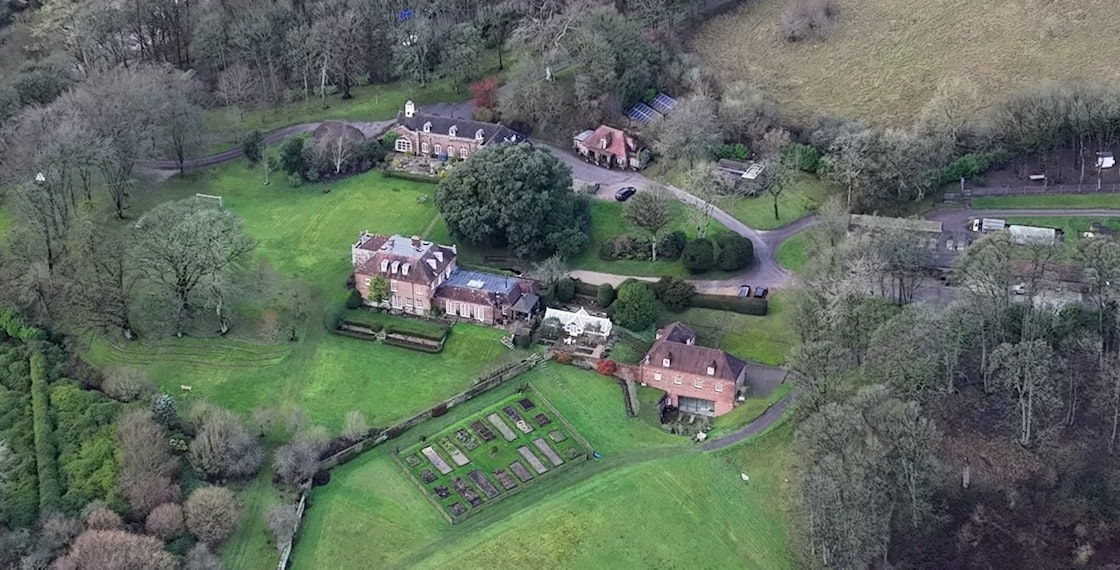
Guy Ritchie’s Wiltshire estate is under investigation after the Green Britain Foundation submitted evidence of alleged bird flu biosecurity breaches at the Ashcombe shooting estate.
Investigation raises questions about bird flu rule breaches on Guy Ritchie’s Wiltshire estate
The Green Britain Foundation has submitted evidence to authorities following an investigation into alleged breaches of bird flu prevention rules on land owned by film director Guy Ritchie.
Undercover footage gathered by the Foundation shows practices that appear to conflict with biosecurity measures designed to limit the spread of avian influenza between intensively managed game birds and wild bird populations.
The activity was recorded at the Ashcombe Estate in Wiltshire, a 1,100-acre property owned by Ritchie which operates as a high-value commercial shooting venue where guests can pay thousands of pounds per day to shoot pheasants.
Wiltshire Council Trading Standards is now examining the material after it was referred by the Animal and Plant Health Agency.
Why bird flu rules matter
During outbreaks of avian influenza, strict rules apply to the management of captive and released birds. These measures are designed to reduce contact between managed birds – such as pheasants released for shooting – and wild bird populations.
The concern is straightforward. When large numbers of birds are released and managed intensively, poor biosecurity can create pathways for disease to move beyond the boundaries of an estate and into surrounding wildlife.
The law requires estates to take basic preventative steps. Feed must be kept covered to prevent access by wild birds; feeding areas must be kept clean and free of spilled grain; and keepers must carry out daily checks for dead birds within designated areas.
If a wild bird carcass is discovered, it must be reported immediately so authorities can monitor potential disease spread.
These requirements are not optional – they exist to protect wildlife, livestock and public health.
What the investigation recorded
The Green Britain Foundation gathered footage across multiple days at Guy Ritchie’s Ashcombe Estate. The material suggests repeated breaches of mandatory biosecurity guidance rather than a single lapse.
Investigators recorded several practices that appear inconsistent with disease-control measures, including:
Feed scattered openly across tracks and ground where wild birds could easily access it
Large numbers of corvids and other wild bird species gathering at feeding areas
Game bird feeders and drinkers left uncovered and accessible to wild birds
Grain repeatedly left spilled on the ground
Feeding stations that appeared not to have been moved or cleaned regularly
Rodent damage and vegetation growth around feeders
No visible evidence of daily inspection or cleaning of feeding areas
In one instance, the remains of a bird’s leg and claw were found next to a feeder close to a release pen. The footage shows the remains still present on subsequent days with no visible attempt to remove or report it.
The investigation also recorded feed being spread both by hand and using a hopper mounted on a vehicle, creating feeding points that attracted wild birds during a period when disease prevention rules were in force.
A wider risk to wildlife
Large shooting estates typically release thousands of non-native game birds each season. These birds are bred or imported specifically to be shot during organised shooting days.
Where this activity takes place on a commercial scale, strict adherence to biosecurity rules becomes particularly important.
Allowing wild birds to mix freely with released game birds during a disease prevention zone increases the risk that infection could move between managed birds and wildlife populations.
Ashcombe Estate sits within chalk downland close to sensitive habitats. Any breakdown in disease prevention measures therefore carries potential implications beyond the boundaries of the shoot itself.
“Guy Ritchie has been caught lock, stock and two smoking barrels - on his blood sport estate. The pheasant shooting industry loves to wrap itself in the language of conservation, but this shows how hollow that claim really is. Conservation starts with obeying the law, especially during a bird flu outbreak. When those rules are ignored over many days on Guy Ritchie’s estate, it tells you something is badly wrong.
“This is a blood sport that releases millions of non-native birds into the countryside every year, charges people thousands of pounds a day to shoot them, while claiming to be responsible stewards of the land.
“And when things like this are exposed, we’re always told it’s just a few bad apples on the ground. That’s a convenient excuse. Workers don’t design these systems or set the standards they’re working under. Responsibility sits squarely with the people who own the land and profit from how it’s run.”
Evidence submitted to authorities
The Green Britain Foundation has submitted the undercover footage, detailed activity logs and precise location data to the relevant authorities.
The Animal and Plant Health Agency confirmed that responsibility for enforcing disease control zone measures rests with Wiltshire Council Trading Standards. The complaint and supporting evidence have now been formally referred for investigation.
The Foundation believes that strong enforcement is essential when disease prevention rules are in place.
Biosecurity regulations exist to protect wildlife and ecosystems as well as the wider countryside. When those rules are ignored, the risk does not stay within a single estate – it can spread far beyond it.
Accountability and responsible land management
Shooting estates often present themselves as custodians of the countryside and advocates for conservation. But stewardship must begin with compliance with the law.
Responsible land management means ensuring that practices designed to protect wildlife are followed consistently and transparently.
Where evidence suggests those standards have not been met, investigation and accountability are vital.
The Green Britain Foundation will continue to support efforts that safeguard wildlife, improve transparency in land management and ensure that environmental regulations are properly enforced.
Protecting nature requires more than rhetoric. It requires action – and it requires the rules that exist to protect wildlife to be taken seriously.
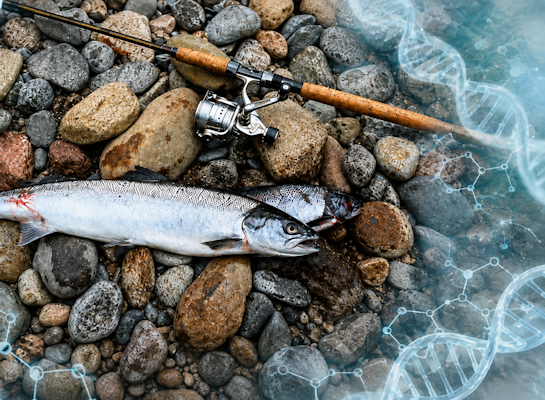
Scottish Government scientists found farmed salmon DNA in wild fish across a fifth of Scotland's rivers, and worst where the farms are. Four public bodies paid for the study. None of them announced it.
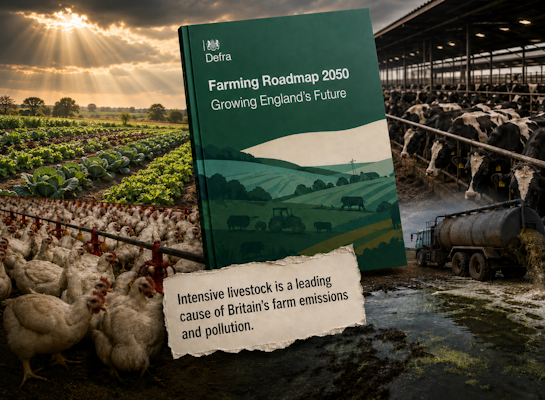
The government's new Farming Roadmap admits intensive livestock is a leading cause of Britain's farm emissions and pollution. Its answer is to grow it, starting with poultry, while quietly binning the one thing its own climate advisers told it to do.
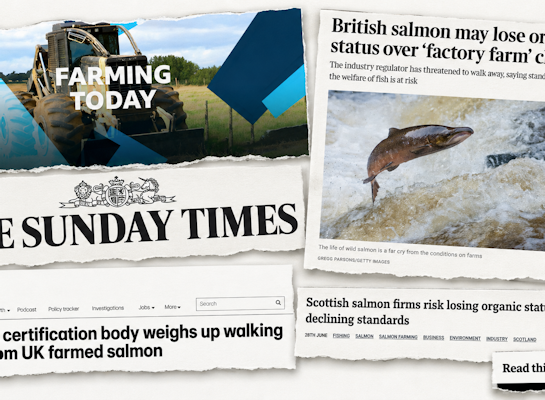
The Soil Association is deciding whether to keep certifying farmed salmon. We think the honest answer is to walk away, because no standard can make factory farming organic.
American appetite for Scotland's factory-farmed salmon has nearly halved. A year on from our Dear Donald campaign, the tariff has done what glossy branding never could.