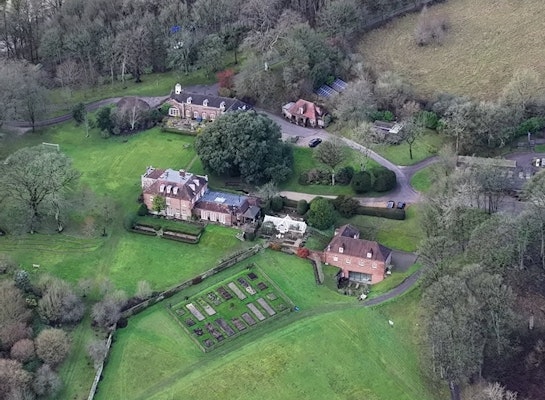
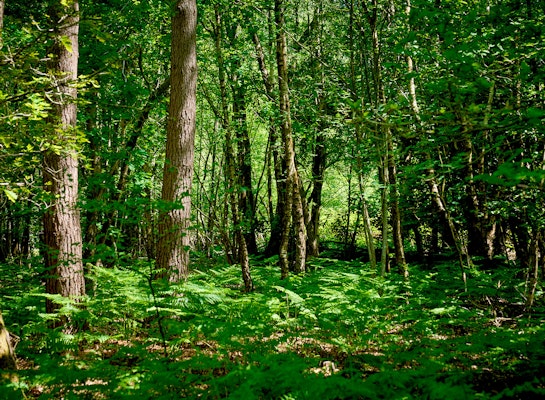
Several years ago, the Green Britain Foundation began the careful process of applying for a licence from Natural England to reintroduce beavers at Bowyer’s Wood in East Sussex. Working in partnership with the Beaver Trust, the aim has always been clear – to bring back a lost native species and allow natural processes to play a leading role in restoring land and water.
That process has required patience, persistence and significant investment. Detailed ecological planning, robust fencing and close collaboration with regulators have all been essential steps. With the enclosure now complete, the project is entering an exciting new phase. A final inspection by Derek Gow, one of the UK’s most experienced reintroduction practitioners, will confirm that everything is ready for beavers to arrive and settle into their new home.
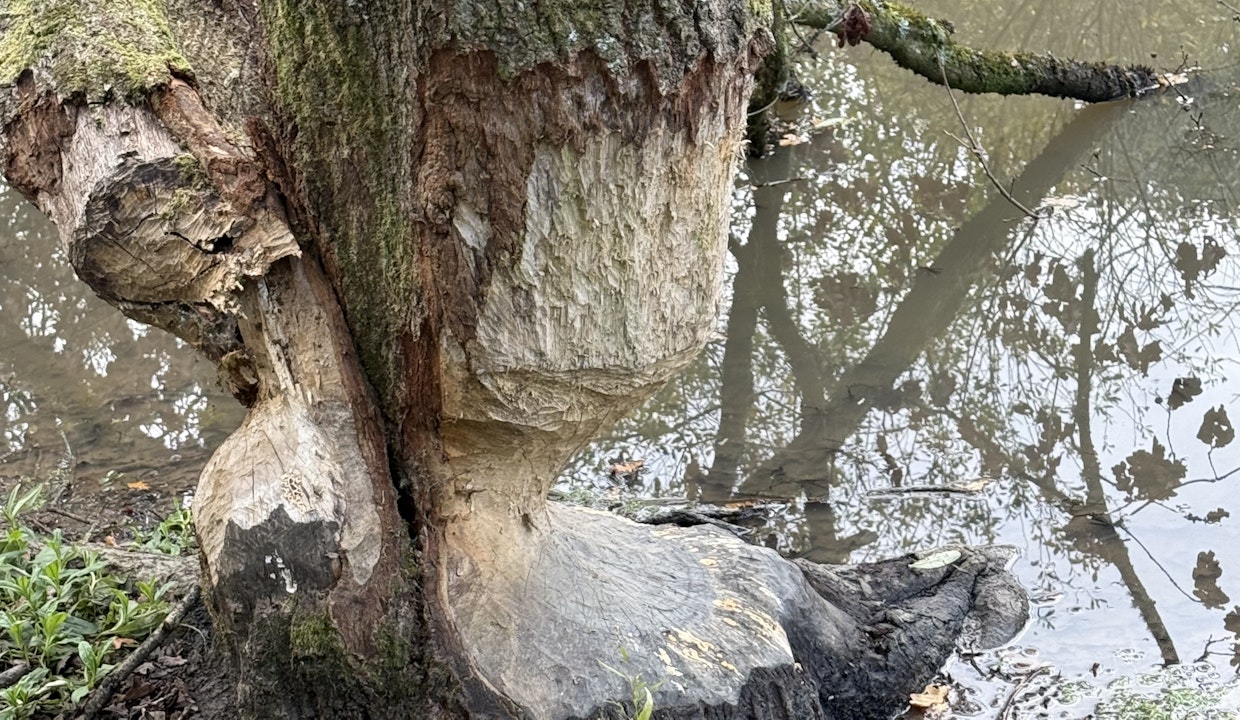
Interest from the local community has been overwhelmingly positive. Many people are keen to learn more about beavers and the role they once played across Britain’s landscapes. These flat-tailed, tree-chewing engineers were lost from the country around 400 years ago, yet their influence on rivers, wetlands and wildlife remains profound. Their return to Bowyer’s Wood marks another step in making space for nature, while creating opportunities for learning, observation and shared stewardship.
Learning from experience at Knepp
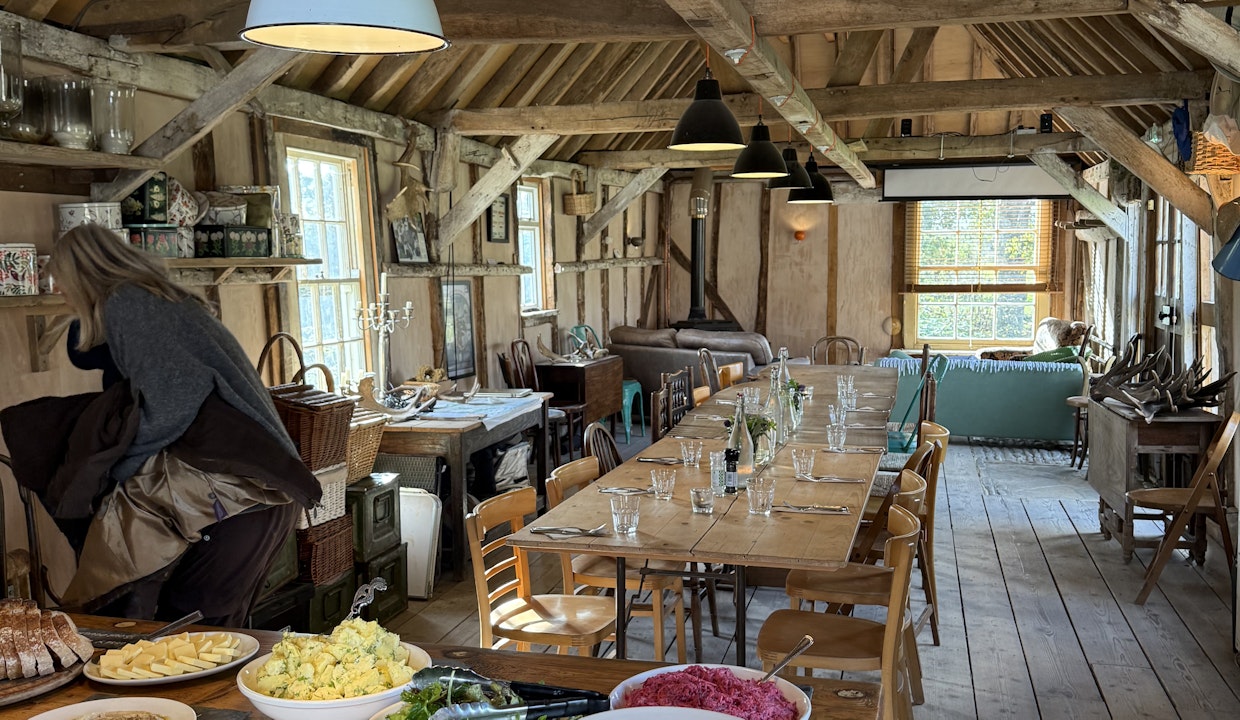
In preparation for the beavers’ arrival, members of the Green Britain Foundation team and trustees attended a dedicated beaver workshop at the pioneering Knepp Estate. Once intensively farmed, Knepp is now internationally recognised for its landscape-scale rewilding approach, where free-roaming herbivores, restored rivers and dynamic wetlands are transforming former arable land into a rich mosaic of habitats.
The workshop was hosted by Mark Elliot, who led England’s first licensed wild beaver release through the River Otter Beaver Trial in 2015. The success of that five-year project resulted in a landmark government decision to recognise beavers as a native species once again, granting them legal protection and the right to remain in the wild after centuries of absence.
Discussions at Knepp explored not only the practicalities of beaver management, but also the wider implications for catchment-scale restoration. The potential for beavers to slow water flow, reduce flooding, improve water quality and support biodiversity is now well evidenced. Importantly, insights from enclosed reintroductions like Bowyer’s Wood can help inform future wild releases, building confidence and understanding in a landscape that has been heavily modified by human activity.
A different way of seeing land
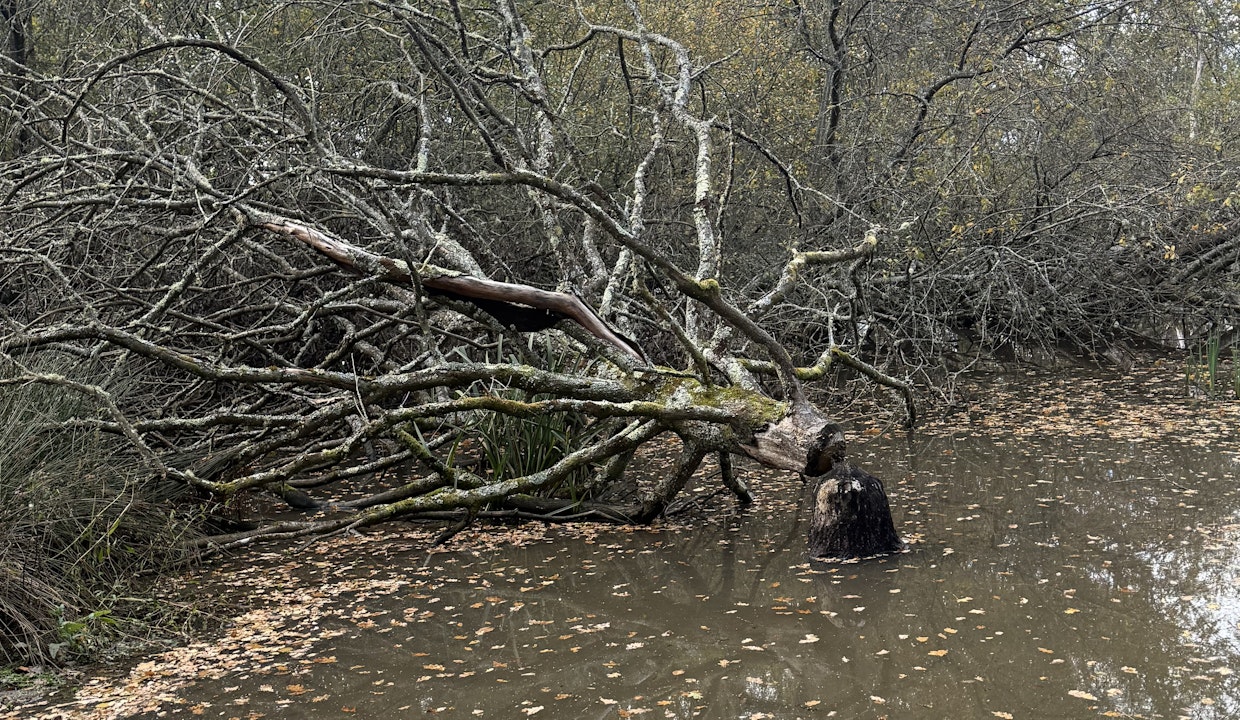
Walking through beaver-modified habitat at Knepp offers a powerful lesson in ecological change. Areas that were once dense woodland have been reshaped into wetlands dotted with standing dead trees, pools and channels. These features are not signs of loss or neglect; they are part of a living system in motion.
Beavers achieve this transformation by felling trees, damming water and creating complexity. In doing so, they challenge traditional ideas of what conservation landscapes should look like. Rather than neat boundaries and uniform habitats, beaver wetlands are messy, dynamic and constantly evolving. That apparent disorder creates space for insects, birds, amphibians and plants, building resilience through diversity and structure.
This perspective is central to the Green Britain Foundations’s approach to rewilding. Healthy ecosystems are not static. They are shaped by natural processes, decay as well as growth, and the interactions between species. Beavers make these processes visible and, at times, impossible to ignore.
From enclosure to ecosystem
Once final approval is in place, beavers will be carefully sourced either from captive populations or from areas where their presence is causing conflict. After thorough health checks, they will be relocated to Bowyer’s Wood, where initial lodge options and suitable habitat are already in place to support their transition.
Over time, the Green Britain Foundation will monitor changes across the site, from water levels and vegetation to the development of dams and lodges. This monitoring will help build a clearer picture of how beavers influence the land, while providing valuable evidence to support wider reintroduction efforts elsewhere in Britain.
Crucially, this work is not about controlling nature, but about creating the conditions for it to recover. By acting as responsible facilitators, people can allow beavers to do what they have evolved to do best – restore wetlands, reconnect rivers and rebuild ecological function.
Looking ahead
The arrival of beavers at Bowyer’s Wood marks the beginning of a new chapter. As they settle in, build, forage and reshape their surroundings, they will help demonstrate what a functioning ecosystem can look like when natural processes are given room to operate.
Updates will be shared as the project develops, offering insights into both the challenges and the rewards of reintroduction. It promises to be complex, fascinating and, at times, unpredictable. That uncertainty is not a drawback; it is a reminder that resilience is found in complexity, and that a thriving landscape is often a lively and imperfect one.
Through projects like this, the Green Britain Foundation continues to explore how people and nature can work together – learning from the past, restoring what was lost and creating space for a more resilient future.