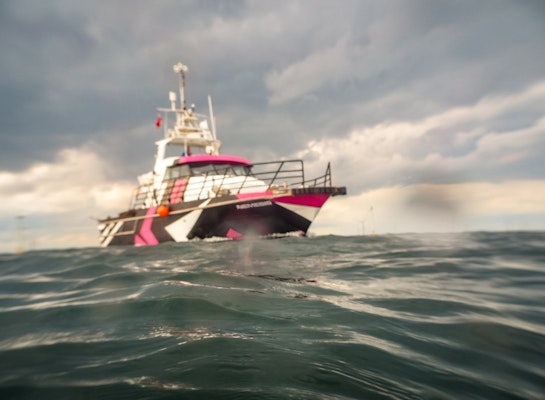
Green Britain Foundation uncovers major unreported salmon escape in Scotland
Fish Net Zero
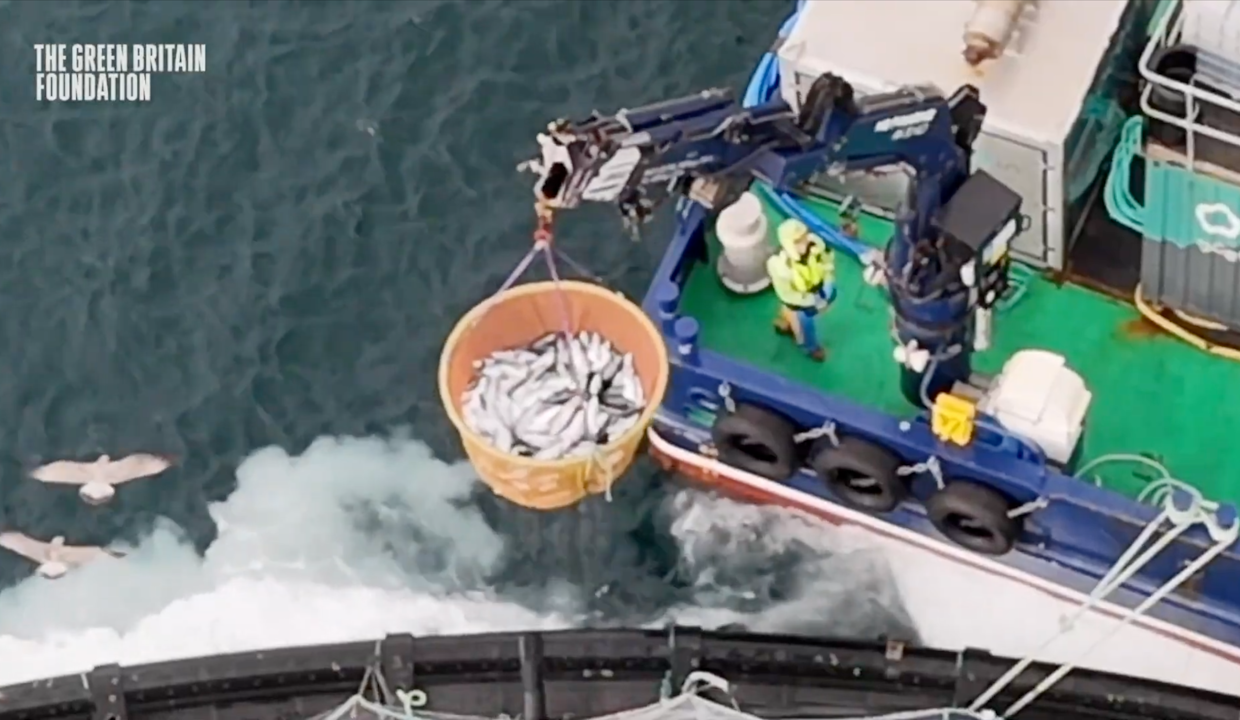
The Green Britain Foundation has uncovered a major environmental incident that threatens Scotland’s wild fish populations and marine ecosystems. Approximately 80,000 farmed salmon escaped during a transport operation — the largest escape event in Scotland for nearly a decade.
This unprecedented loss, which risks serious harm to endangered wild Atlantic salmon, only recently came to light due to a significant gap in official reporting mechanisms.
Key details of the escape
Approximately 80,000 salmon smolts escaped
Fish were 12 months old, averaging 100g in weight
Owned by: Cooke Scotland
Location: Transport from Loch Shin
Cause: Human error resulting in an unsecured hatch
A reporting gap exposed
The incident occurred in February 2023, yet remained unreported to the public for over a year. Current Scottish Government procedures only record escapes linked to fixed farm sites, meaning transport-related incidents fall entirely outside official monitoring frameworks.
This loophole has allowed one of Scotland’s largest salmon escapes to go unnoticed. The fact that officials are only considering changes to reporting requirements nearly two years later is deeply concerning.
The revelation also contradicts recent industry claims. In October 2024, Mowi COO Ben Hadfield told a Scottish Government inquiry that “escape levels have dropped massively – to one fish, out of all the fish held in Scotland.” The exposure of an 80,000-fish escape directly undermines this statement, raising serious questions about the accuracy of data reported by salmon farming companies.
Bad things that have happendLoads of them
Environmental concerns
The environmental implications of such an escape are significant. Farmed salmon that enter rivers can breed with wild Atlantic salmon, leading to genetic hybridisation and long-term damage to wild populations.
Scientific research confirms that escaped salmon can successfully interbreed with wild fish, changing natural gene pools and reducing resilience to disease and environmental stressors [2][3].
These concerns were echoed in the House of Lords debate on wild Atlantic salmon, where Lord Forsyth of Drumlean stated:
“Escapees bring diseases to the wild population and whole rivers have been cleaned out of wild fish.”
He further noted that salmon farming has “resulted in environmental damage to wild fish populations and threatened other species”
Call for action
The Green Britain Foundation is calling for urgent reform to protect Scotland’s waters and restore public confidence in environmental oversight.
We are demanding:
Immediate revision of reporting requirements to include all salmon escapes, regardless of location.
Stricter regulation of fish transport and containment, ensuring accountability beyond farm boundaries.
Comprehensive environmental impact assessments across all stages of salmon farming operations.
The Foundation will continue to investigate and publish findings on the impacts of industrial salmon farming — promoting transparency, accountability and stronger protection for Scotland’s marine environment.