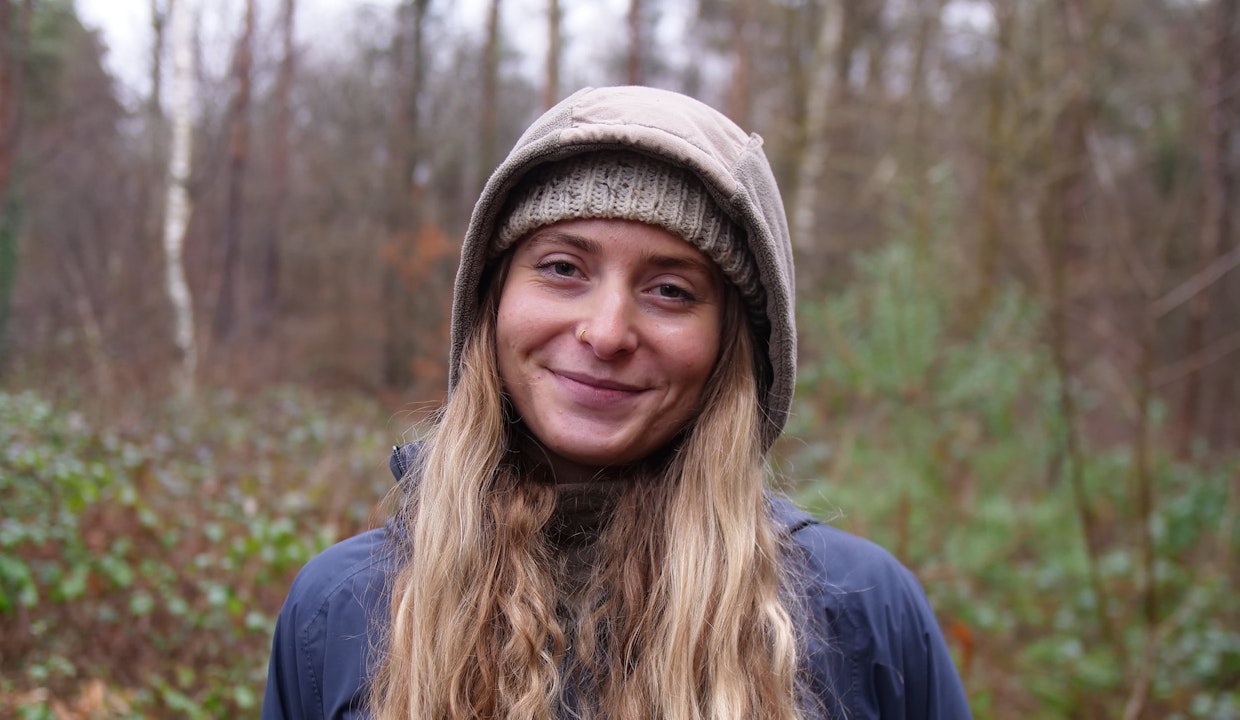
Grace Garland
I joined the Green Britain Foundation in August last year, and it’s safe to say that working here feels like the perfect meeting point for everything I care about.
My role as Conservation Engagement Officer is based at Bowyer’s Wood - a beautiful rewilding site where nature is being given the space to recover and thrive, with a bit of careful encouragement from the species that caused most of the trouble. One of the perks of the job is that my daily commute is essentially a walk through the woods… which is not something many people can say about their morning journey to work.
The Foundation itself works across several areas of sustainability, from energy and transport to food systems and, crucially for me, making space for nature. Its mission is to help build a greener future by combining research, education, and real-world conservation projects.
My interest in the natural world goes way back. I studied Environmental Science at university, but my connection with nature started much earlier. I grew up on Shoreham Beach, living on a Site of Special Scientific Interest (SSSI), where being surrounded by wildlife and wild landscapes was just part of everyday life. That early immersion shaped the path I’ve followed ever since.
At university my dissertation focused on environmental education and the importance of reconnecting people with nature. I explored how experiences in the natural world can influence how people respond to the climate crisis – something that feels especially relevant in my work today. Helping people engage with nature, understand it, and care about it is one of the most powerful tools we have.
Outside of my role with GBF, I’ve spent time studying herbal medicine. I’m particularly interested in permaculture systems, which I apply on my own land and continue learning about through the incredible ecologists I’m lucky enough to work alongside – including the one and only Chris Packham. I’m also a local parish councillor with responsibility for green spaces.
There are many perks to working at Bowyer’s Wood. One of my favourites is using camera traps and audio monitors to observe the wildlife that quietly shares the woodland with us. Seeing what appears on the footage – often when no humans are around – is endlessly fascinating and exactly the kind of media I want to consume more of.
Perhaps the most exciting thing on the horizon is the upcoming beaver reintroduction at the site. Beavers are incredible “ecosystem engineers”, capable of transforming landscapes by building dams and creating wetlands that support a huge range of species.
I’ll be taking on the self-appointed title of Beaver Boss - a position I’m taking very seriously, although I suspect the beavers will quickly establish themselves as the real management team. I’m very much looking forward to welcoming them to the woods and seeing how they reshape the landscape here.
For me, working with the Green Britain Foundation feels like all of my interests – conservation, education, community action, and practical solutions to the climate crisis – come together in one place. It makes the challenge of tackling climate change feel tangible and connected to everyday actions.
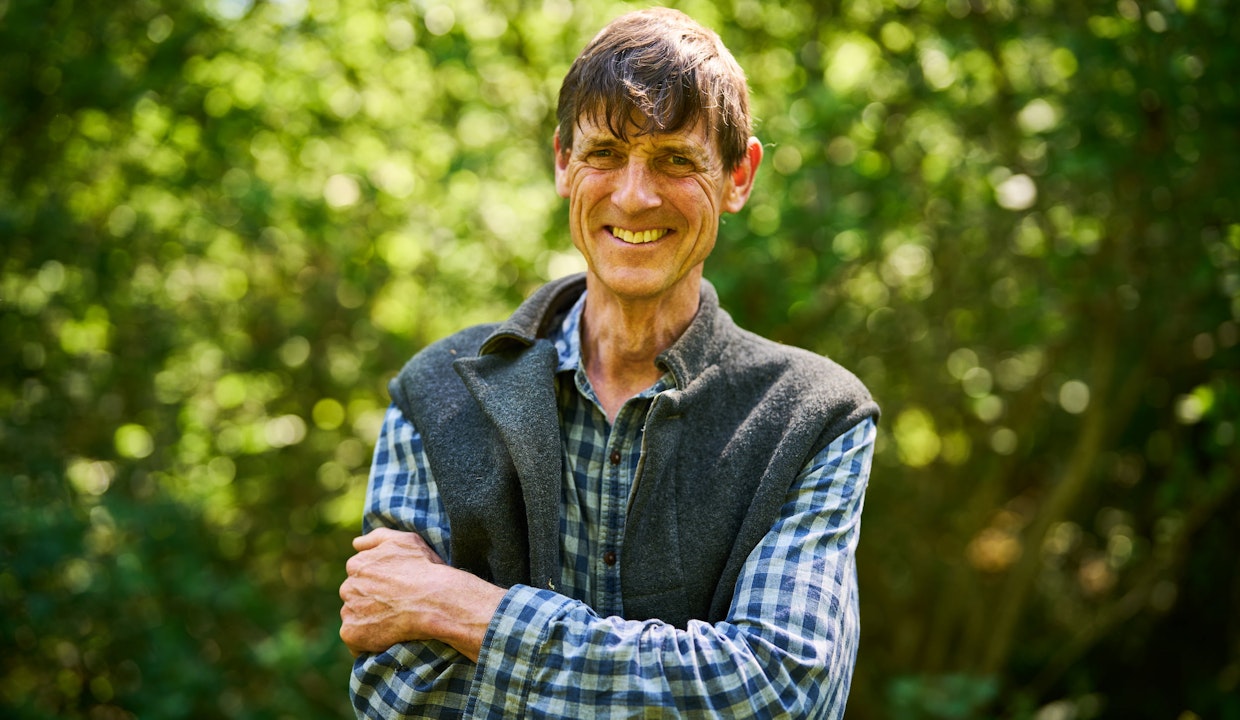
James Noble
"I have been working in the woods of East Sussex since the 1988 storm, after having completed an MSc in Environmental Forestry at Bangor university. The majority of my career has been working in ancient semi natural woods with the main focus being on management for biodiversity and maintaining the historical and archaeological features of the woods. A particular interest has been the restoration of PAWS woods, aiming to create diverse woodlands that are resilient to the shocks of the future.
In addition to woodland management I have been actively involved throughout my working life in using timber that comes out of the woods. A colleague and myself have recently set up a CIC to build a wood workshop in East Sussex, out of low-grade timber, in which courses in using undervalued woodland products will be run."
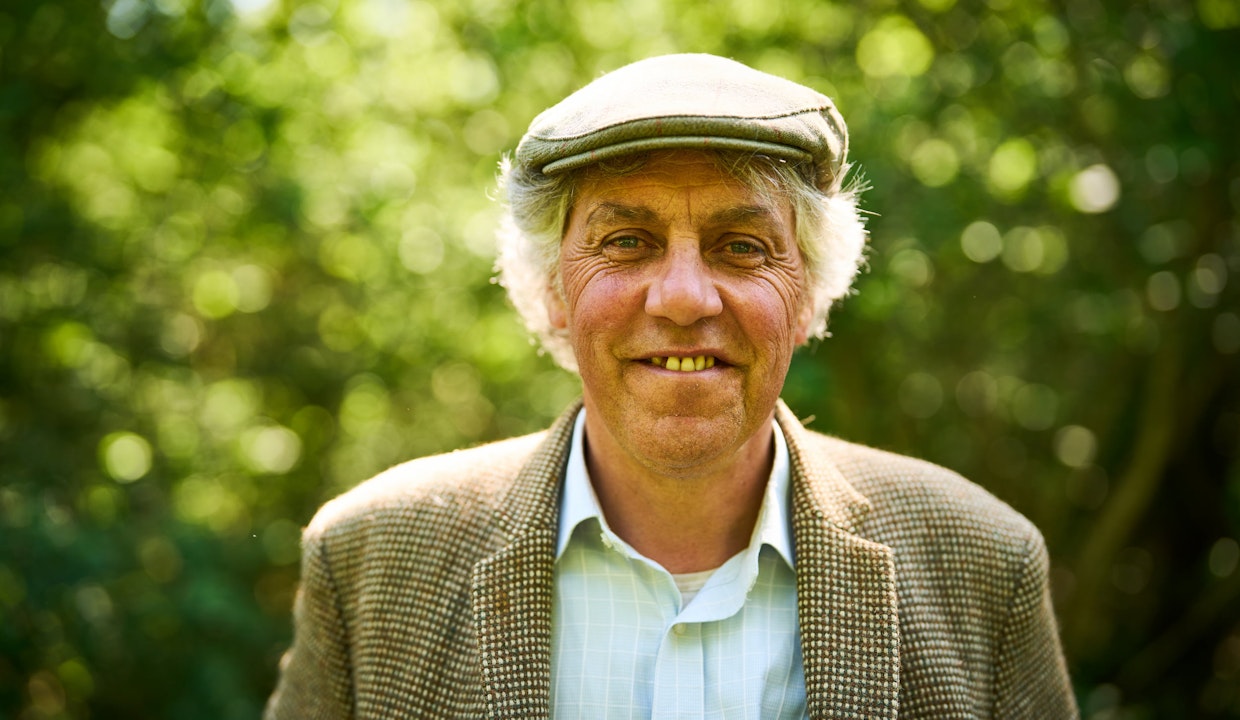
Stephen Jones
"I have been very fortunate to have been able to live and work in woodlands.
Most of adult life has had a low impact lifestyle which has given me opportunity to witness nature and its responses. Much of my employment has been seasonal initially to compliment lifestyle.
The forestry /conservation work began 25 years ago with hedge planting work which was a brief stint. Shortly after had the chance to collect tree seed through a co-op I have since worked with for both seed collection and planting contracts. The seed collections have been conducted on large scale mostly throughout southeast but on occasion I have taken crew to Cumbria /Scotland, East Anglia when there has been need. All native seed has been collected to supply leading UK tree nurseries. Literally 10s of tonnes of seed have been gathered using various methods. Alongside this has been much planting of hedgerows, woods and lesser old-style orchards. For several years, I have been saying that I have planted a quarter of a million trees personally. Partners include private estates, the National Trust and the Sussex Wildlife Trust.
I began cutting timber 20 years ago. It’s been a learning curve of woodland management and what initially was employment predominantly has given way to a great awareness of this cyclical system of habitat creation. Every year is different and it illuminates what this work is part of in terms of the maintenance of our woodlands and their inhabitants. It has taken me to various estates and methods. I have had the fortune of being involved with a privately owned but open nature sanctuary where we have managed the woods with habitat in mind. We have produced firewood and milling material to fund work but witnessing the sum of 40 years of recovery work has been very consolidating in my approach to this work. Much of this work has been conducted with a network of friends who shared similar low impact lifestyles but increasingly over last dozen years within my own family."