THE PEOPLE WHO MADE SALMON 'ORGANIC' NOW WANT THE LABEL GONE
Some of the most respected names in British organic farming and conservation — including one of the people who wrote the rules — have told the Soil Association to stop certifying farmed salmon as organic. Green Britain Foundation, a signatory to their letter, says they are right: the label cannot be fixed, only dropped.
Organic salmon farming is a myth - time to end it
The Soil Association is the most trusted name in organic food in Britain. Its logo is shorthand for higher welfare, fewer chemicals and respect for the natural world. On farmed salmon, that trust is being used to sell something that is none of those things.
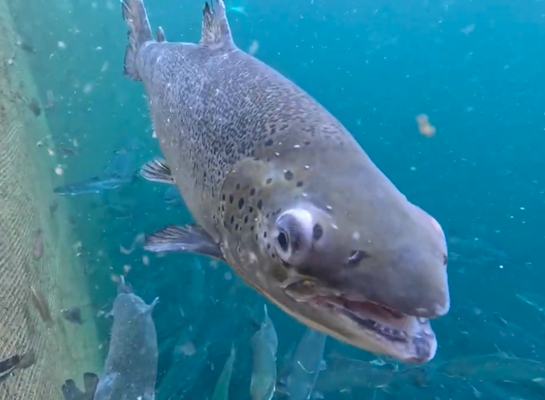
So-called organic salmon is raised in the same way as all Scottish farmed salmon: in open-net cages suspended in the sea, where waste, uneaten feed and chemical treatments flow straight out into the surrounding lochs. The organic label does not change how the fish live or die. It changes the price, and it eases the conscience of the person buying it.
Now the people who should be the label's strongest defenders have turned against it. In a letter to the Soil Association, a group describing themselves as "allies, not adversaries" of the organic movement have called on it to withdraw organic certification from salmon farms altogether. The signatories include Green Britain Foundation's founder Dale Vince, Riverford founder Guy Singh-Watson, the naturalist Chris Packham and Hugh Raven, one of the architects of the Soil Association's own aquaculture standards.
"The Soil Association should withdraw certification from salmon farms. Salmon farming involves repeated medical intervention and toxic discharges into the marine environment — a long way from the gold standard of land-based farming the Soil Association has championed for so long. There cannot be one standard for land-based farming and another for marine farming. It is all one environment, and organic principles need to be applied consistently."
"Not at a level we find acceptable" The Soil Association's own review of fish welfare and environmental outcomes on the salmon farms it certifies as organic
Over 500,000 dead in four months Mortality reported at one organic-certified farm off Skye between October 2024 and January 2025
The signatories do not mince their words about why. Salmon farming, their letter says, discharges waste directly into coastal waters, intensifies sea lice on wild fish, depends on feed drawn partly from wild fisheries, and risks escapes that weaken already fragile wild salmon populations. "These are not marginal shortcomings," they write. "They are structural features of the production model."
In other words, these are not problems a stricter standard can solve. They are what open-net salmon farming is.
The man who wrote the rules now regrets them
The most striking voice is Hugh Raven's. He helped shape the Soil Association's original aquaculture standards two decades ago. In 2024 he wrote in British Wildlife magazine that the sustainability problems of salmon farming had not been shown to be soluble in practice — and that his own part in securing organic certification had filled him with shame. Backing the letter, he said his view had not changed: he had seen no evidence the problems had been resolved in any way that aligns with organic principles.
Guy Singh-Watson, who built Riverford on organic principles, put the consumer's stake plainly: the label has to mean something tangible, and shoppers who see it expect higher environmental standards that salmon farming does not deliver. Chris Packham, who resigned as president of the RSPCA over its own salmon certification, added his name to the same demand.
The evidence is on the certified farms themselves
Green Britain Foundation has spent years documenting what actually happens on these sites. In 2025, our footage from Mowi's organic-certified farm at Loch Harport on Skye showed salmon being beaten and left to suffocate. The RSPCA suspended the site, Sainsbury's pulled its supply, and the Soil Association itself issued a critical non-compliance for inhumane killing. Months later, Mowi was stripped of the royal warrant it had held for 35 years.
The Soil Association already knows its own case is weak. After an 18-month review it concluded that fish welfare and environmental outcomes on its organic salmon farms are not always at a level it finds acceptable, and it set itself five tests — on mass mortality, chemical treatments, welfare, feed and farm siting — warning it would withdraw from the sector if it did not see real progress by this summer.
Even its own expert welfare panel could not agree the label is honest: one member, from Compassion in World Farming, concluded there was no evidence a salmon could have a good life in a commercially viable farm at all. And in early 2026 an information tribunal ordered the Soil Association's certification arm to release its salmon farm inspection reports, after campaigners argued the organic label amounts to greenwashing — disclosure it had spent eighteen months fighting to avoid.
What needs to change
The Soil Association faces a choice this summer, and it should not be whether to grant itself more time. Its own founders' generation, its own welfare experts and its own review have all reached the same conclusion: a wild fish suffering in an open cage in the sea cannot be made organic. We are calling on the Soil Association to withdraw organic certification from salmon farming, and on the supermarkets that trade on its logo to stop selling the result.
The organic movement was built on telling the truth about how food is produced. As its own allies have now told it, the kindest thing the Soil Association can do for its name is admit there is no version of farmed salmon worth certifying.
Ben Hadfield, managing director of Mowi Scotland, sat down with The Last Salmon to answer for the world's biggest salmon farmer. He spent the time aggrieved at activists, at the King's "misinformed" advisers, at the weather. And when the death rate was put to him, he didn't deny it. He called it biology. The toll behind that word: more than 3 million animals lost in Mowi's care last year alone, and a royal warrant stripped because of what we filmed.
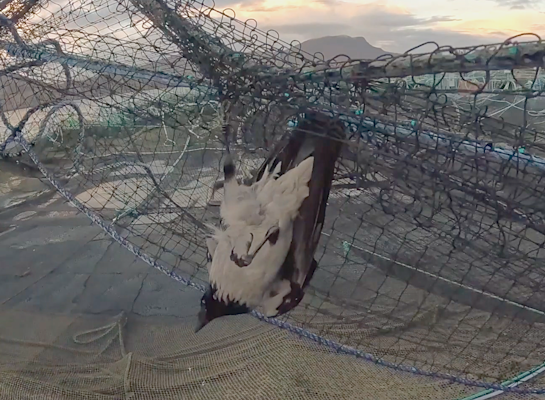
Green Britain Foundation analysis of nearly 1,000 Freedom of Information spreadsheets reveals Scotland's salmon industry is covering up the true scale of bird deaths in its nets - a finding backed by footage of trapped and dead birds at farms that reported nothing.
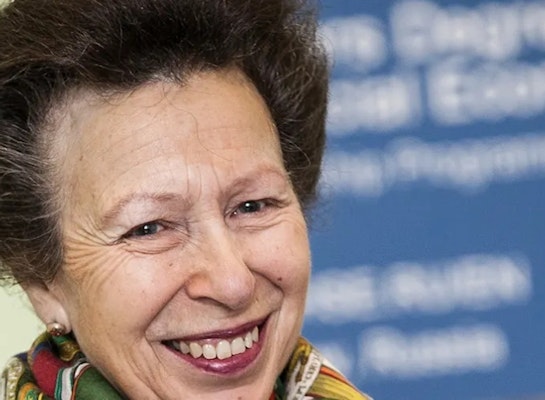
Green Britain Foundation is calling on Princess Anne to cancel her visit to Bakkafrost's Applecross salmon farming site — the deadliest factory farm in Britain, where more than 10 million salmon have died in five years and a quarter of all reported Scottish salmon deaths in the last two years occurred.